
CCC Camp Interstate
When the Civilian Conservation Corps (CCC) convoy arrived at Interstate Park in the summer of 1935, they found a beautiful, but inaccessible park. There were few trails, no parking, no campgrounds, no water or sewers. Over the next six years, they transformed the park. Many of these improvements remain today.
A Nation in TroubleAmerica was in the grip of the Great Depression when Franklin D. Roosevelt was inaugurated in March of 1933. More than twenty-five percent of the population was unemployed, hungry and without hope. The New Deal programs instituted bold changes in the federal government that energized the economy and created an equilibrium that helped to bolster the needs of citizens. Out of economic chaos emerged the Civilian Conservation Corps. The goal was two-fold: conservation of our natural resources and the salvage of our young men. The CCC is recognized as the single greatest conservation program in America, and it served as a catalyst to develop the very tenants of modern conservation. The work of America’s young men dramatically changed the future and today, we still enjoy a legacy of natural resource treasures that dot the American landscape.
|
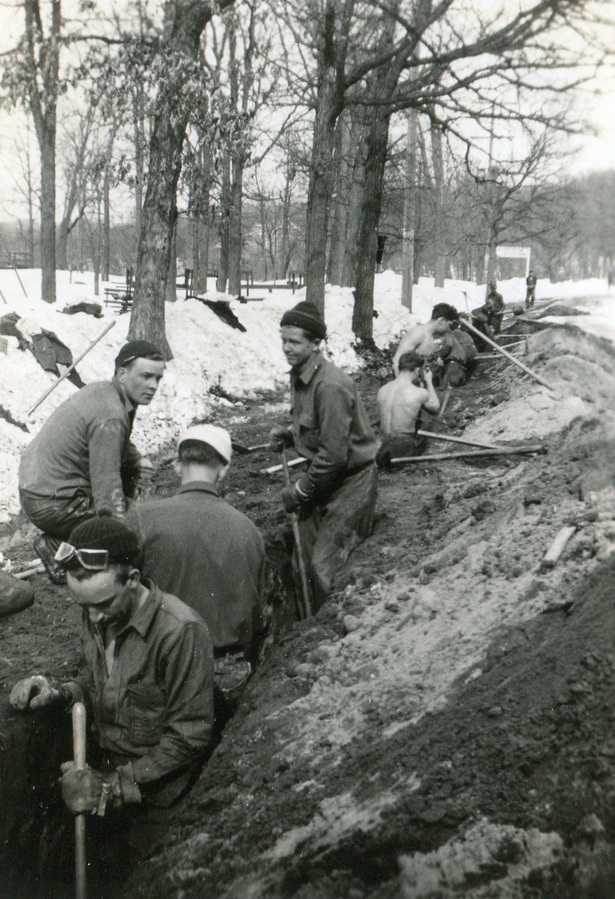
The CCC crew dig a trench for water pipes at Interstate Park. |
|
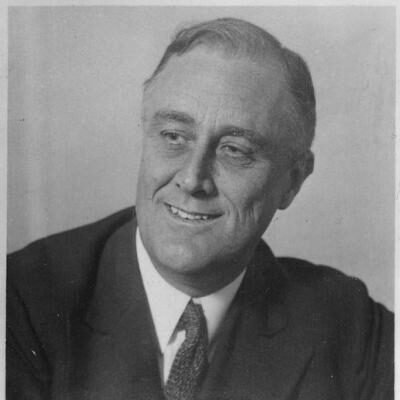
“The nation will owe you a debt of gratitude a hundred years hence.” |
Building Skills, Building a Park
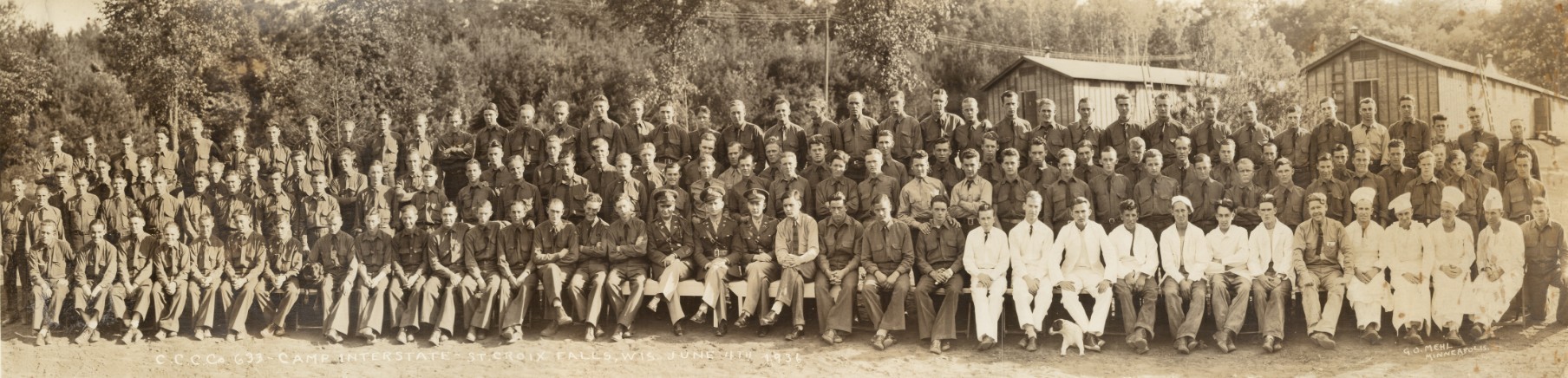
When the Civilian Conservation Corps (CCC) convoy arrived at Interstate Park in the summer of 1935, they found a beautiful, but inaccessible park. There were few trails, no parking, no campgrounds, no water or sewers. Over the next six years, they transformed the park. Many of these improvements remain today.
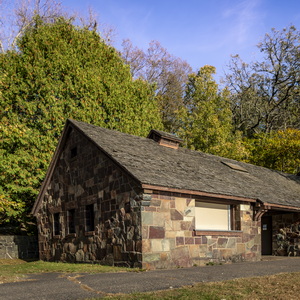
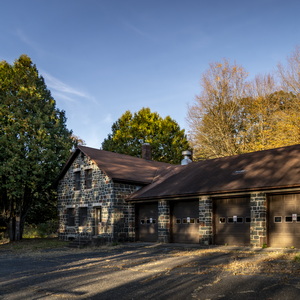
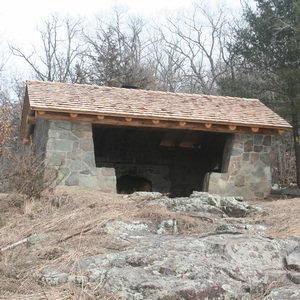
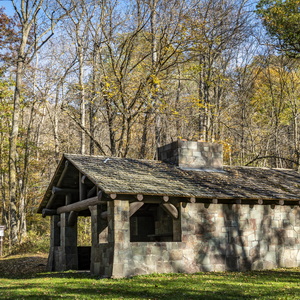
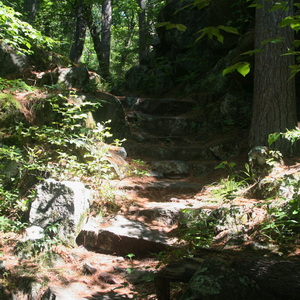
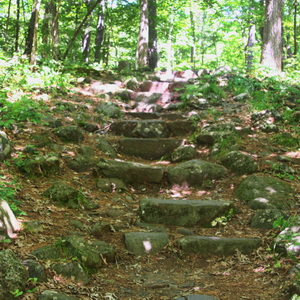
There is additional CCC information, artifacts and pictures at the Ice Age Center as well. It has been said moving the rocks at Interstate was a “herculean” task! This effort included moving huge stones for the trails as well as the construction of multiple buildings — the garage east of the Pothole Trail, the horizon rock shelter, the picnic shelter by the amphitheater and the bathhouse at Lake of the Dalles are all fine examples of the buildings erected by the CCC at Interstate. Many more examples of CCC work exist within our state and national parks.
Photos of the CCC Work at Interstate Park
A Deeper Look into the CCC’s Impact at Interstate Park
|
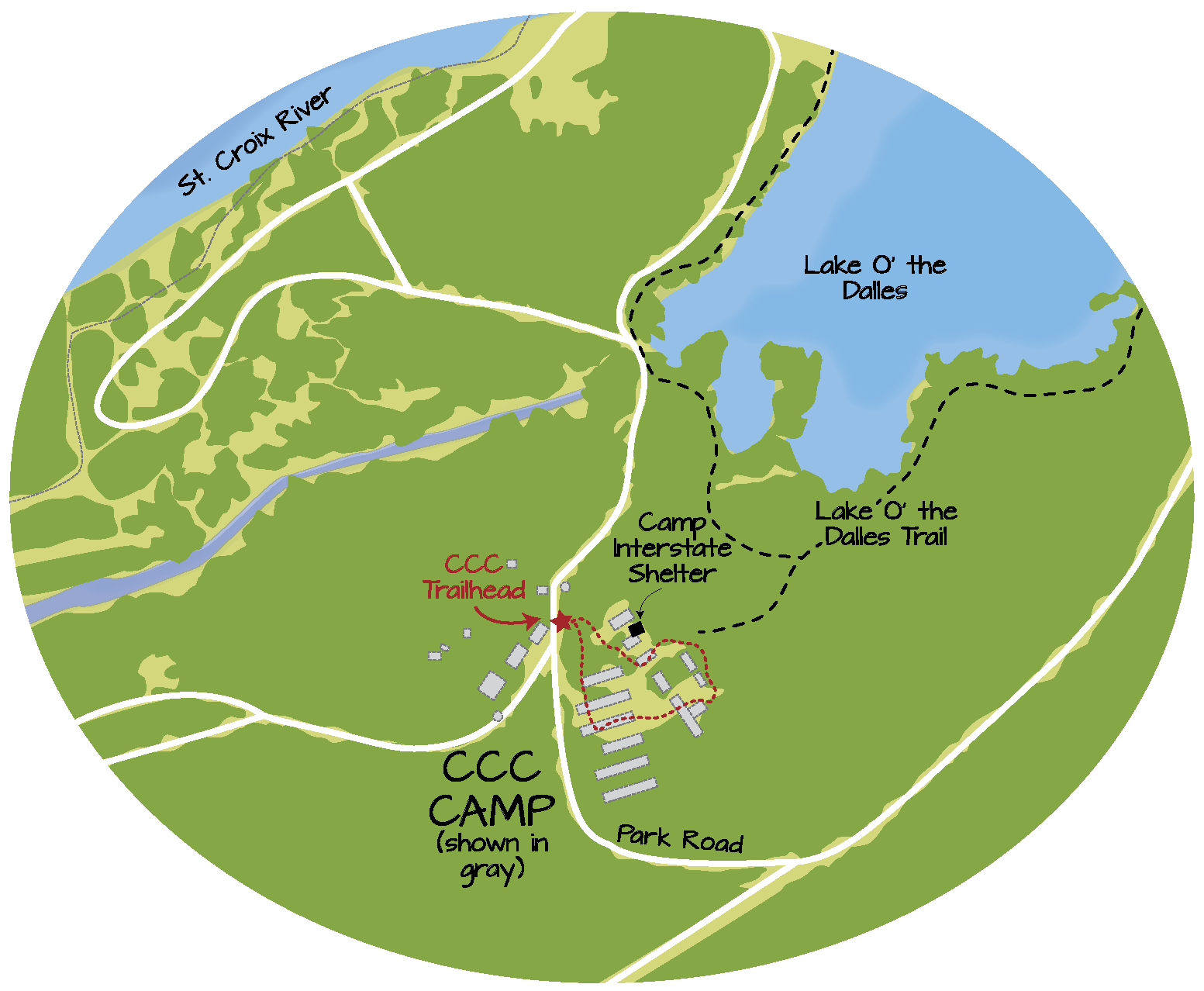
We want to remember the CCC boys who worked so hard here to make this park accessible to all of us. To all family members of past CCC boys, please know the work of your relatives is being remembered every time someone walks the trail. If you are interested in learning more about the CCC, go to www.ccclegacy.com. It’s a great site with lots on interesting items about the parks. As you travel around the United States, be on the look-out for CCC projects – they are everywhere! We invite everyone to walk the short loop (1/4 mile) and view the signs. To access the trail, drive to the south campground entrance. On the north side of the road, you will see the sign for CCC Camp Interstate and a large shelter. The first sign is easily accessible. It’s an easy walk on flat ground (beware of bugs in the summer!). We hope you enjoy finding out more about the CCC at Interstate! |
The CCC Camp Interstate Interpretive Trail
A special thank you is extended to the Knowles-Nelson Stewardship Grant Program. This trail and interpretive signs would not have been possible without matching grants of the program. |
|
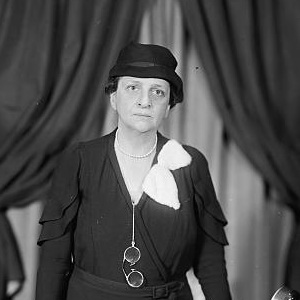
“The people are what matter to government, and a government should aim to give all the people under its jurisdiction the best possible life.” |
|
Walking Through the CampIf you take the time to walk the CCC Camp Interstate Interpretive Loop, you will be treated to a series of signs that share a little of the life, the work and the impact of the CCC here at Interstate. Click here or on the image to the right to view all of the signs found along the new CCC Trail. |
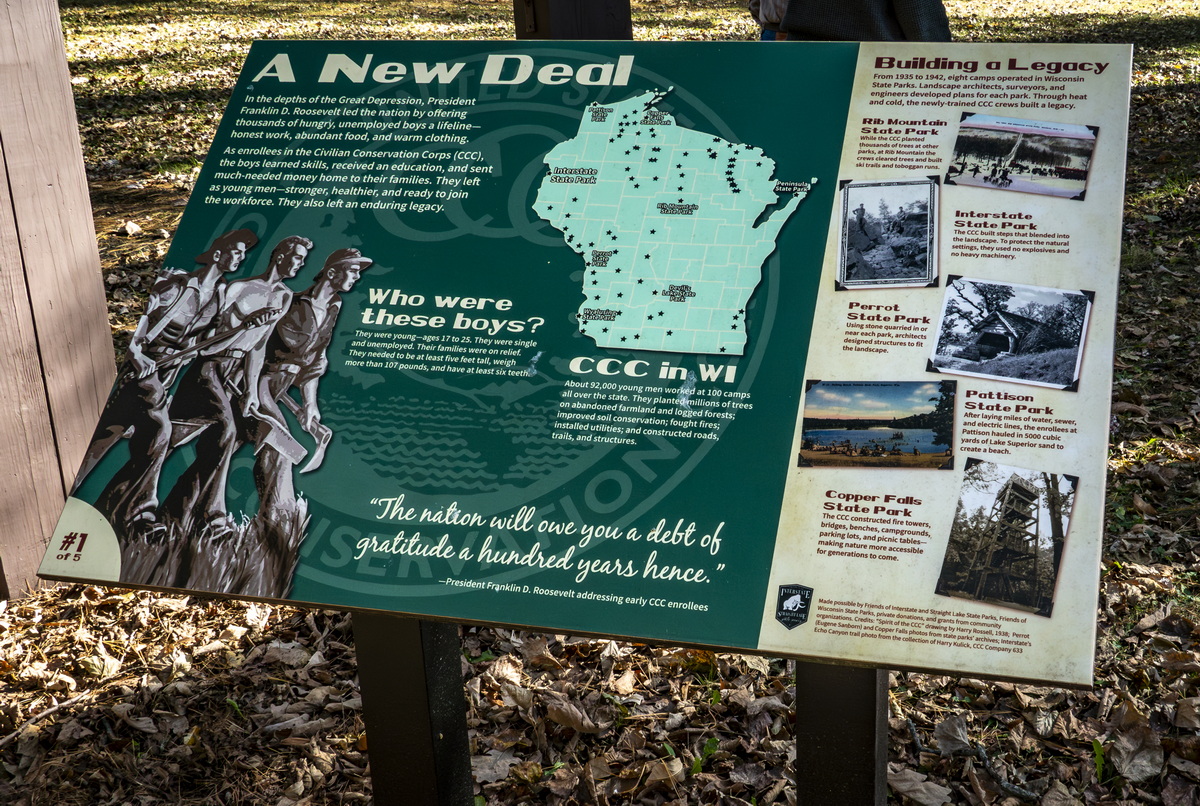 |
Visit the Ice Age Center
Additional historic photos and artifacts are on display at the Ice Age Center. Be sure to stop in and check them out!
|
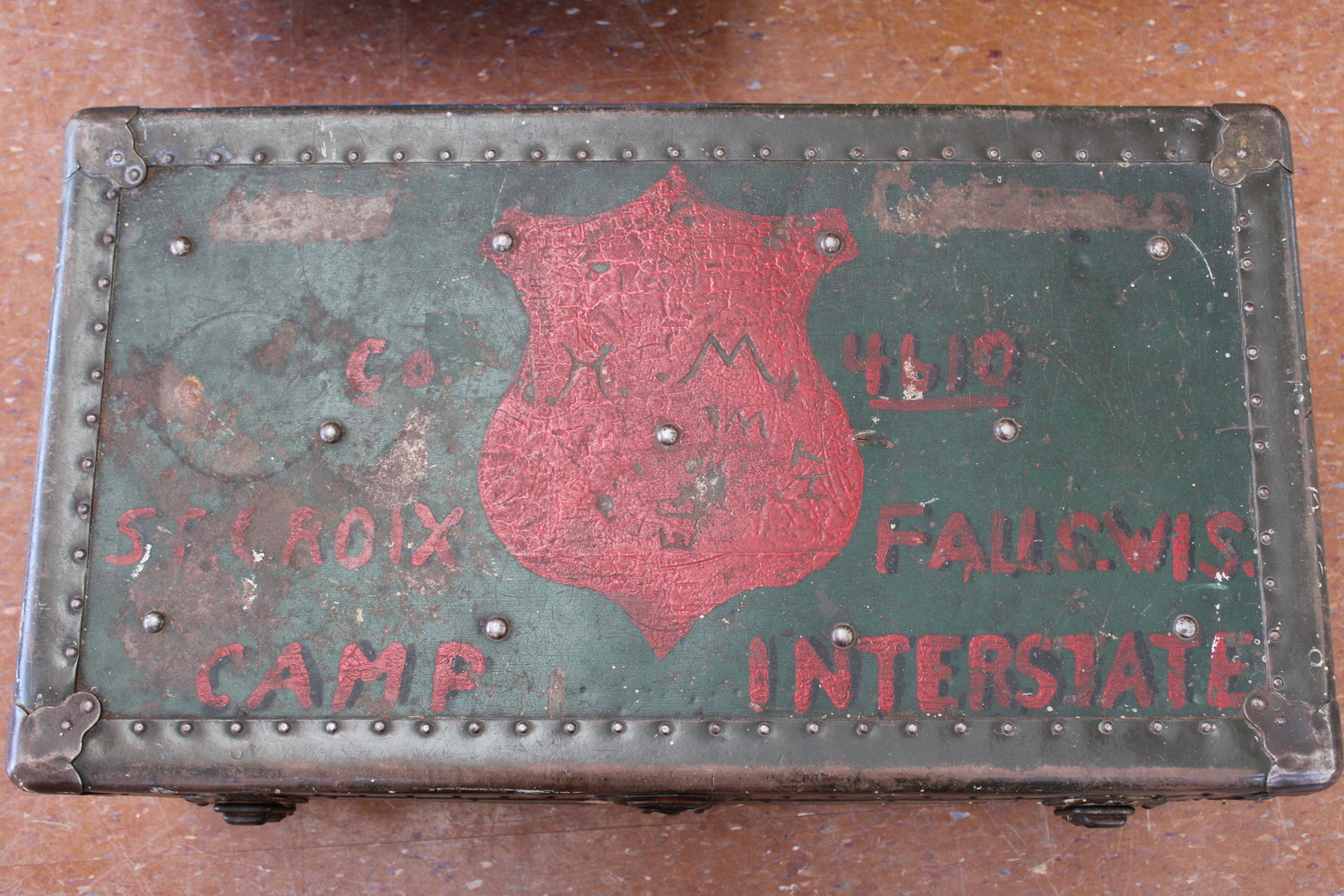
Artifact Highlight A trunk (or footlocker) from the days of Camp Interstate, Company #4610, belonging to Harold Joseph Mellum. Harold was born in Avoca, Wisconsin in 1914. According to census records of 1930 and 1940, he was living with his parents and siblings in Pulaski, Iowa and his reported occupation in 1940, a foreman in a government position. According to later census records, he would continue to farm and work as a ‘fireman’ at the Rock County Mental Hospital in Janesville, Wisconsin. Harold would pass away in Richland, Wisconsin in 1990 at the age of 75. |
 |
A Scavenger Hunt for Evidence of CCC Work at Interstate Park
Are you interested in seeing more of the work and impact of the CCC at Interstate Park? If yes, take some time to explore the trails and see how many of these features you can find!
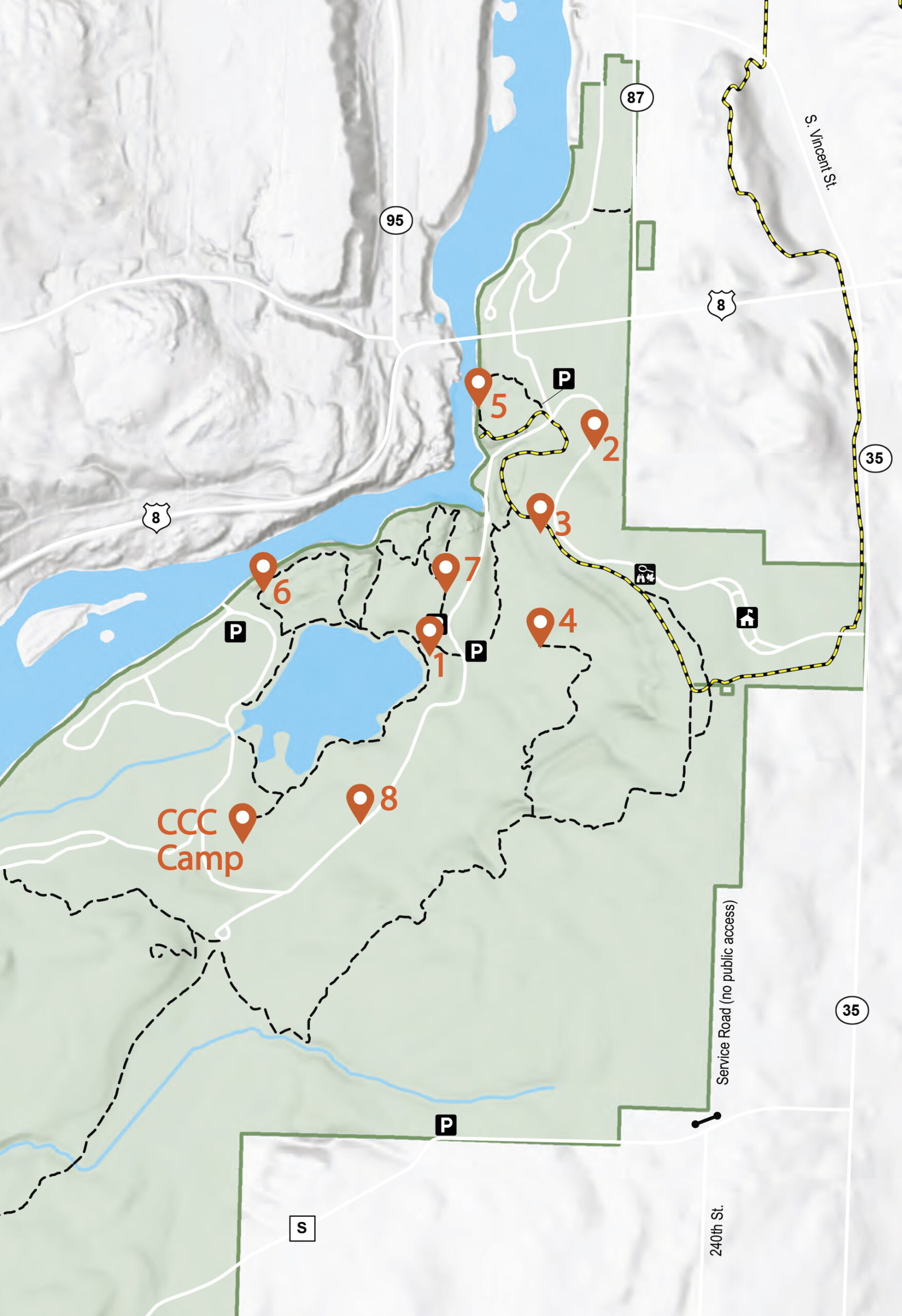 |
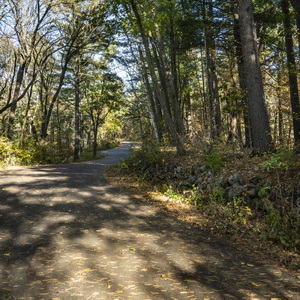
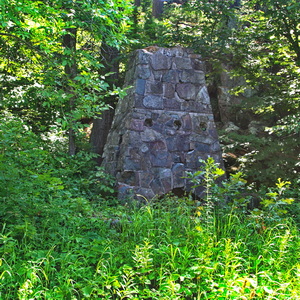
Can you find the … ? 1. Beach Bathhouse 2. Former Park Headquarters 3. Horizon Rock Shelter 4. Ravine Trail Shelter 5. Pothole Trail Stairs 6. River Bluff Trail Stairs 7. Summit Rock Trail Stairs 8. Road Retaining Wall Bonus Finds (Not Numbered) Area of Prehistoric Bison Bones Discovery Old Rock Quarry Ruins of Sunset Beach Shelter |
|
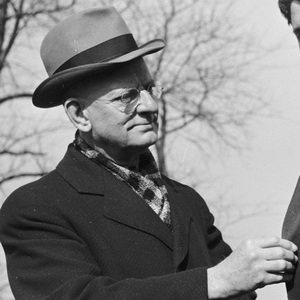
Robert Fechner |
|
Answers Check below to see if you are on the right track. (Additional Images coming soon!)
 |
 |
 |
 |
1 |
2 |
3 |
4 |
 |
 |
 |
|
5 |
6
|
7
|
8 |
|
|
|
|
|
|
|
|
Ruins of Sunset Beach Shelter |
|
Historic Photos of CCC Work at Interstate Park
We are incredibly fortunate to have a wealth of photographs from the earliest days at Interstate park. We invite you to explore and enjoy these virtual Albums that highlight the life, the work and so much more of the CCC’s time at Interstate Park. Just click on the name of the album to see more!
Harry Kulick’s Album
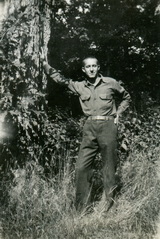 |
Harry was a member of CCC Company #633. Equipped with a camera he photographed activities at the park from 1935 to 1936. Harry enlisted in the CCC’s at the age of 14, with his father’s blessing. His first assignment was Camp Graham in Grafton, IL. Shortly after, the company moved to Camp Interstate near St. Croix Falls, WI. |
Vernon Frokjer’s Album
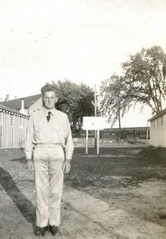 |
Vernon was a member of CCC Company #4610. We are extremely grateful that he was able to photograph his time with the CCC at interstate from 1939 to 1940. However, aside from the photographs, we don’t know much about his time in the CCC. In the late 1920s, we do know his family moved to Eureka Township in Polk County and became dairy farmers. And, after his time in the CCCs, he would enlist in the Army in March of 1942 and served until December of 1945.
|
Alonzo Pond’s Album
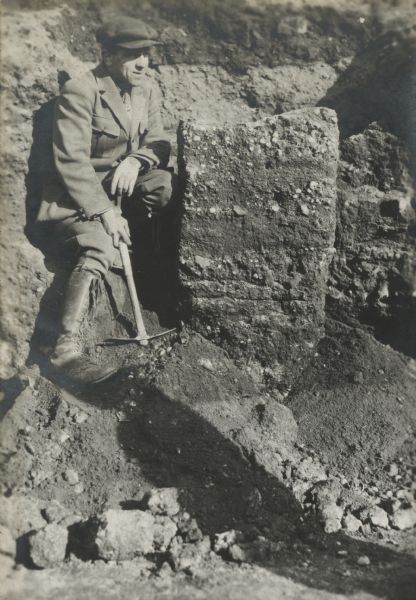 |
Alonzo Pond was an American archaeologist and Civilian Conservation Corps superintendent who played a key role in developing Wisconsin Interstate Park during the 1930s. He oversaw park improvements while also conducting archaeological excavations. |
Janet Nelson’s Album
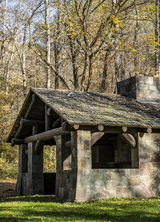 |
In the fall of 2024, photographer Janet Nelson came to Interstate Park to take current photos of the many projects completed by the CCC in the 1930s. You will find that many of these photos highlight the craftsmanship and durability of their work more than 85 years later. In addition to CCC structures, this album also includes other natural and man made features found at Interstate Park, some even highlighting how the CCC tradition is being carried into the future. |
|
Franklin D. Roosevelt |
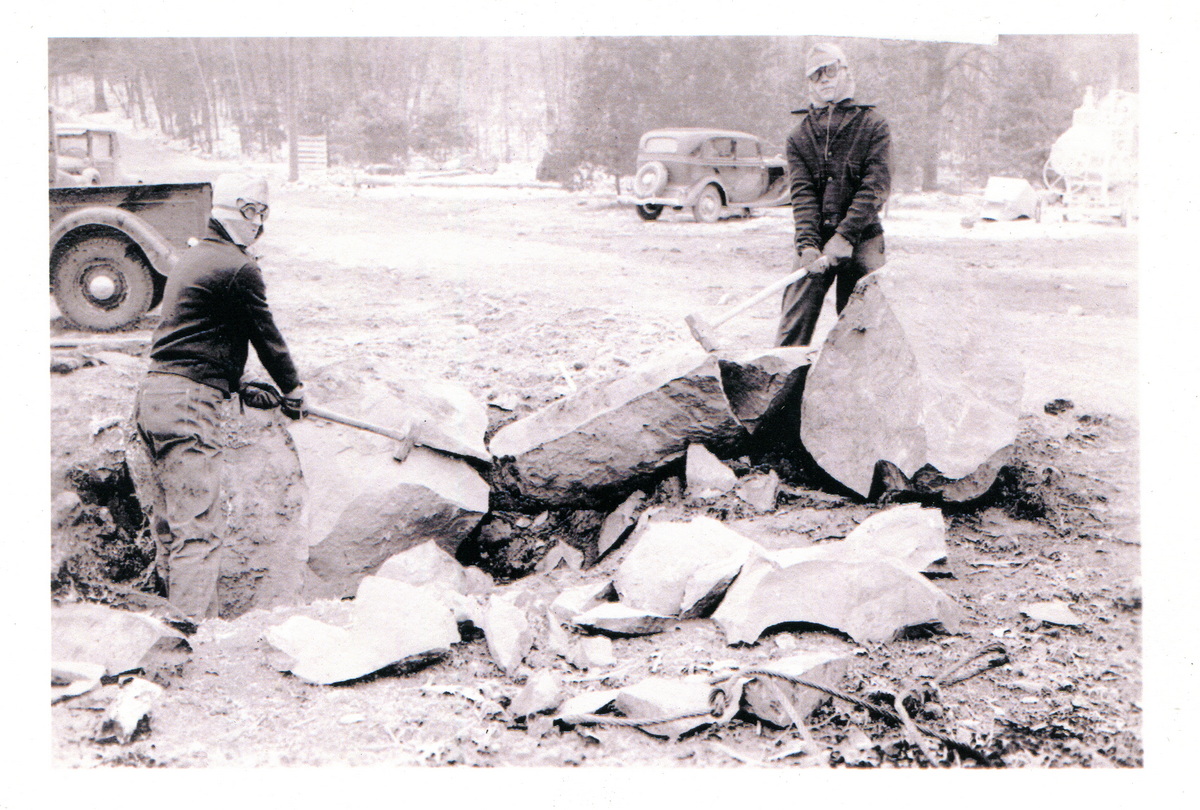
Breaking Rocks
Breaking rocks for the trails required they be heated with fire, and then doused with water.
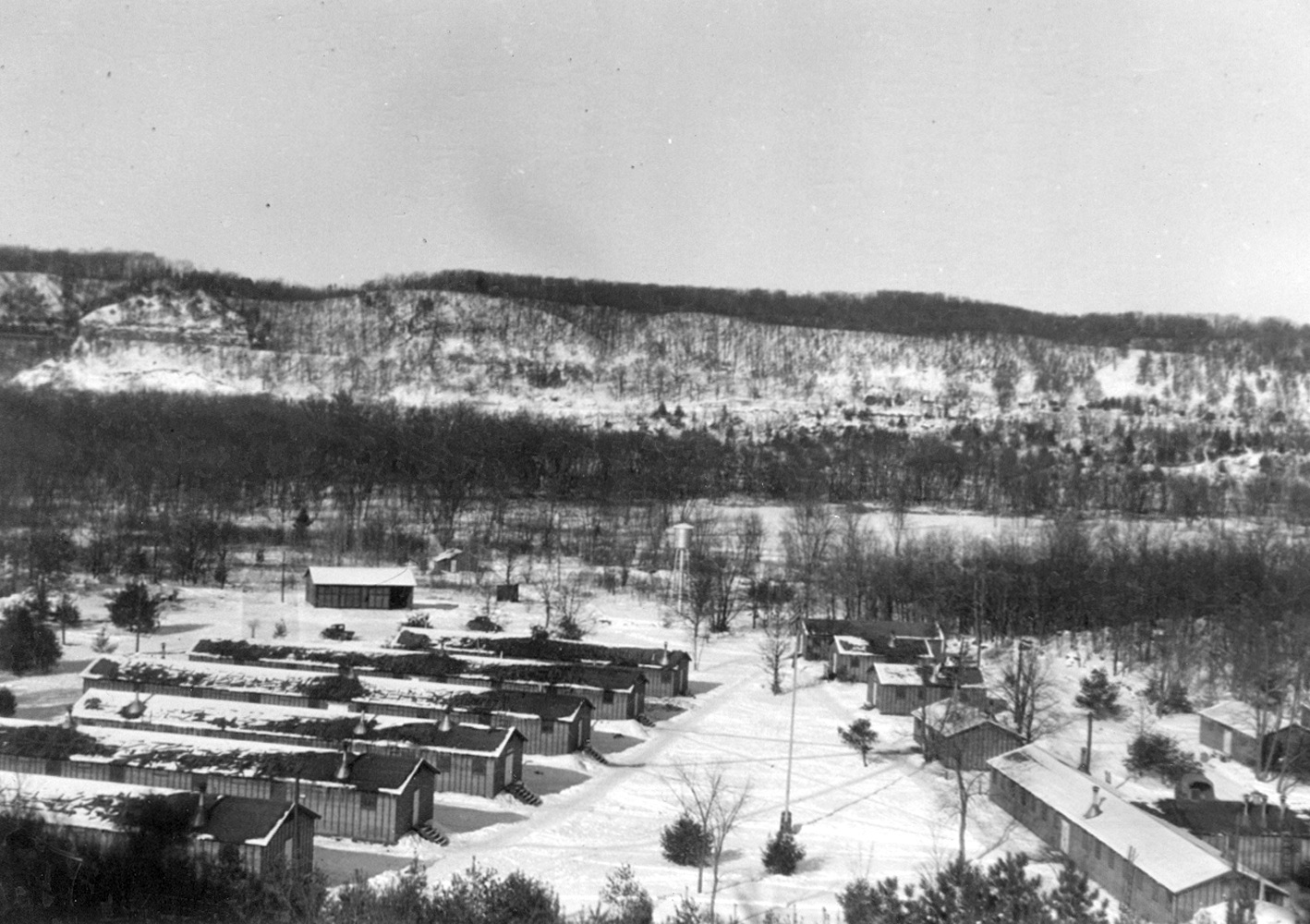
Camp Interstate
A bird’s eye view of Camp Interstate.
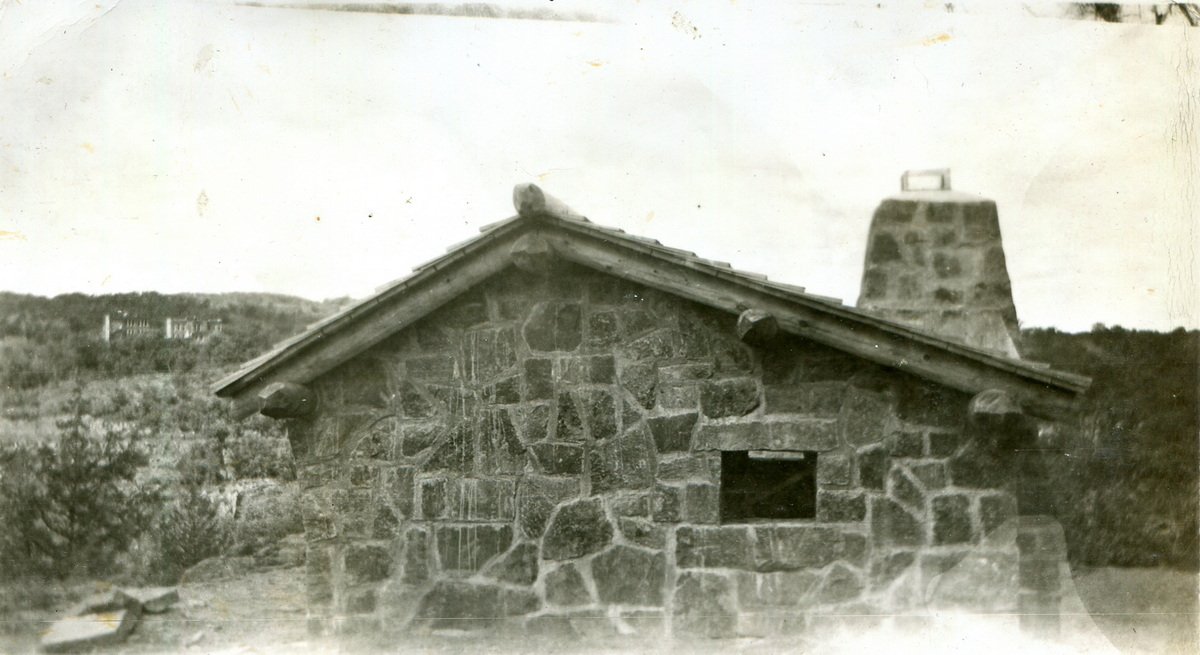
Horizon Rock Shelter
The Horizon Rock shelter in 1939.
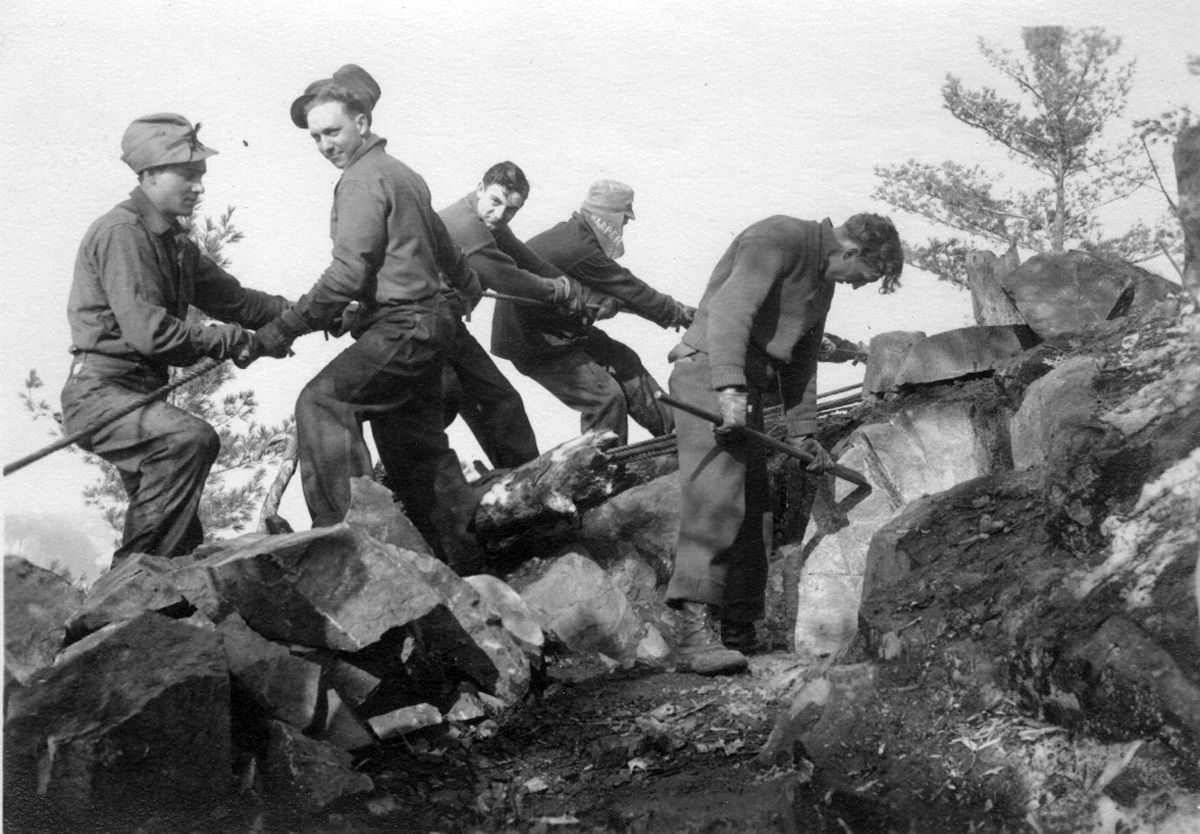
Moving Rocks
The young men of the CCC Camp worked together to move large boulders for trails.
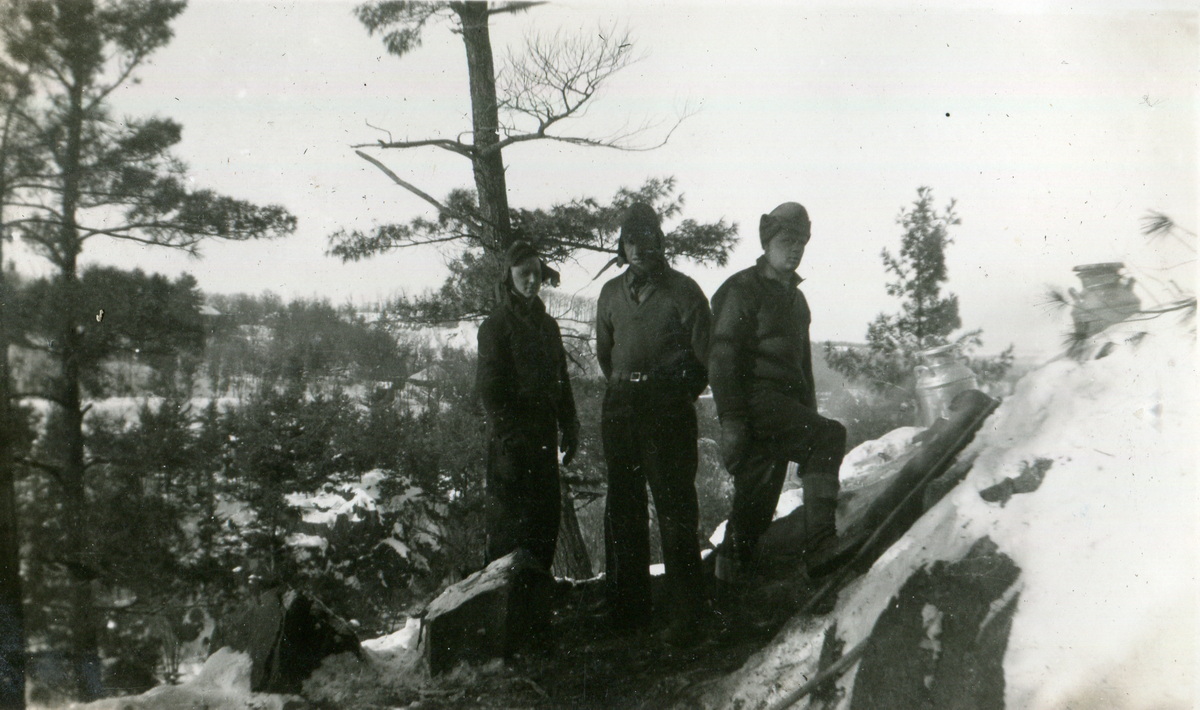
Summit Rock Trail
One of many trails built by the Camp Interstate CCC crews.
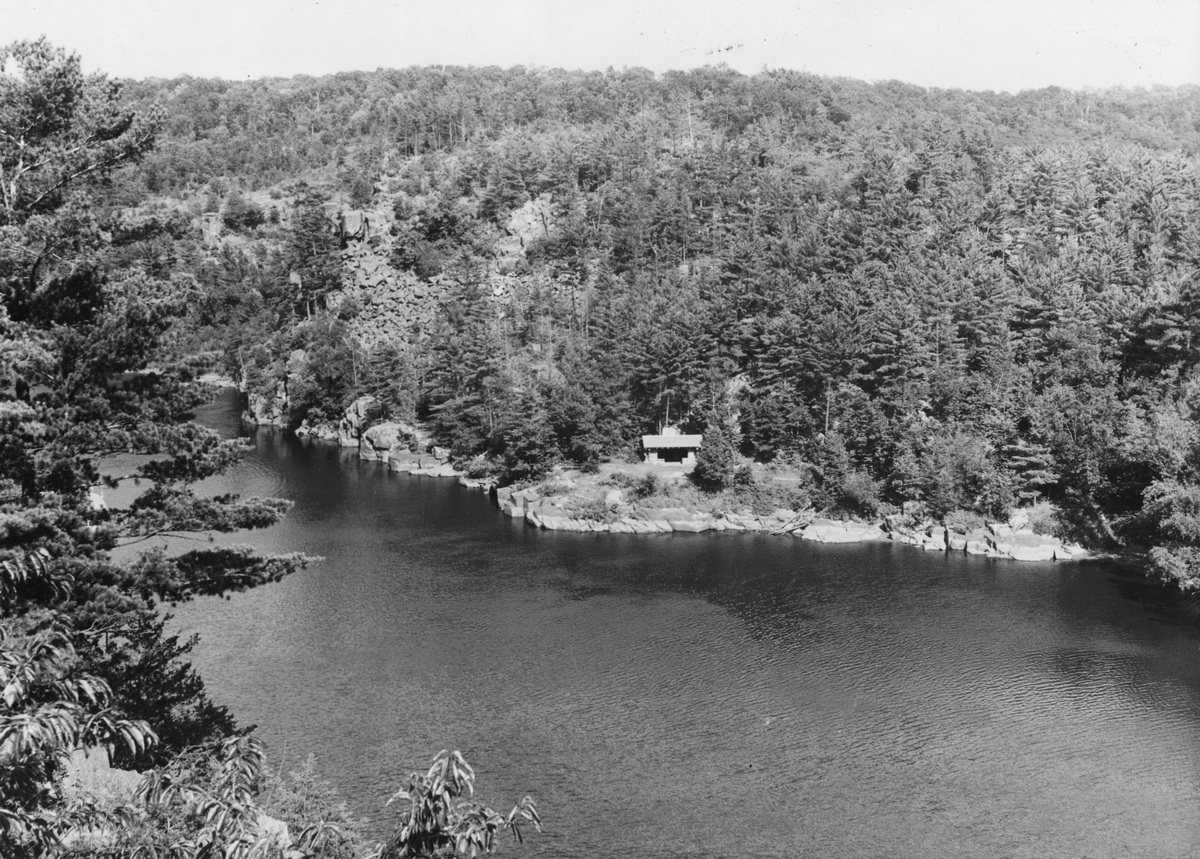
Sunset Beach Shelter
Remnants of this structure can still be observed today if you hike down to the river.
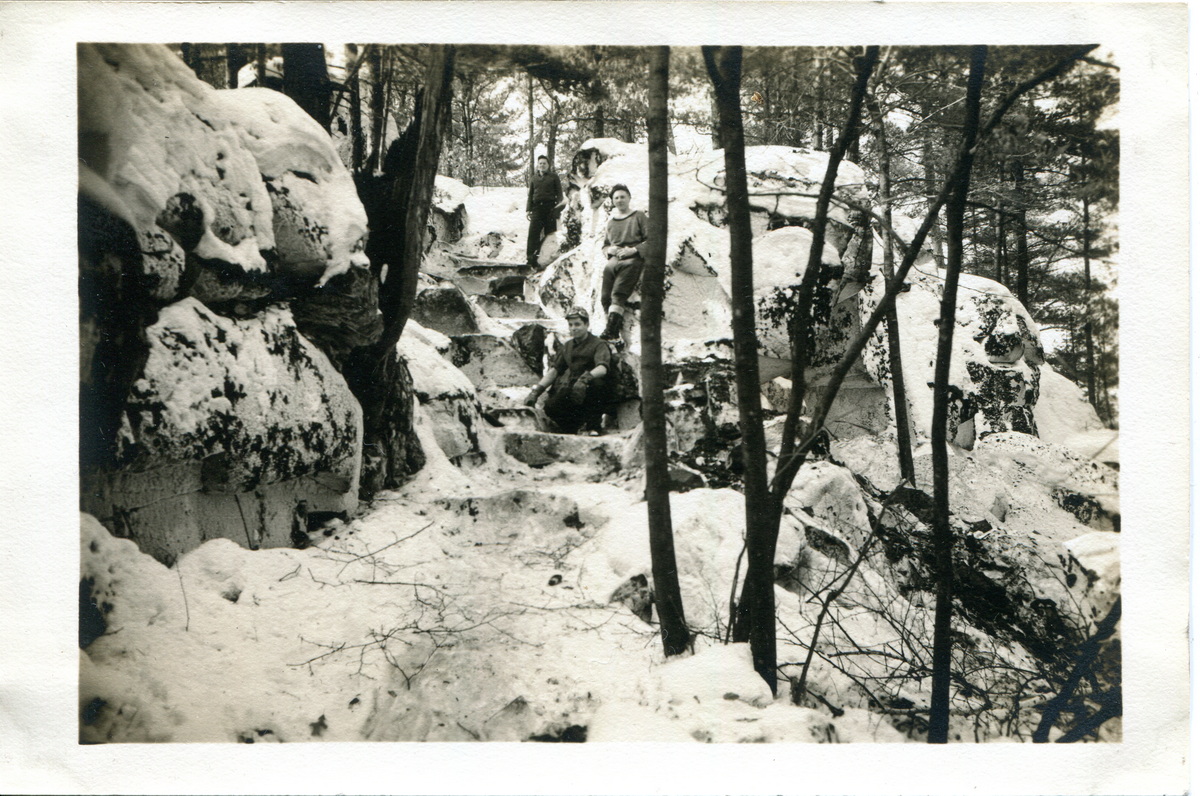
Trail Building
One of the CCC trailis no longer being used at Interstate Park.
“It is my belief that what is being accomplished will conserve our natural resources, create future national wealth and prove of moral and spiritual value not only to those of you who are taking part, but to the rest of the country as well.”